S-Type Bendable LED Strip for Channel Letters, Curves and 3D Shapes
Bendable S-type LED strip on zigzag FPC: 5050, 60 LEDs/m, 7.2 W/m, 12 V, folding in every direction for channel letters, curves and 3D sign shapes.
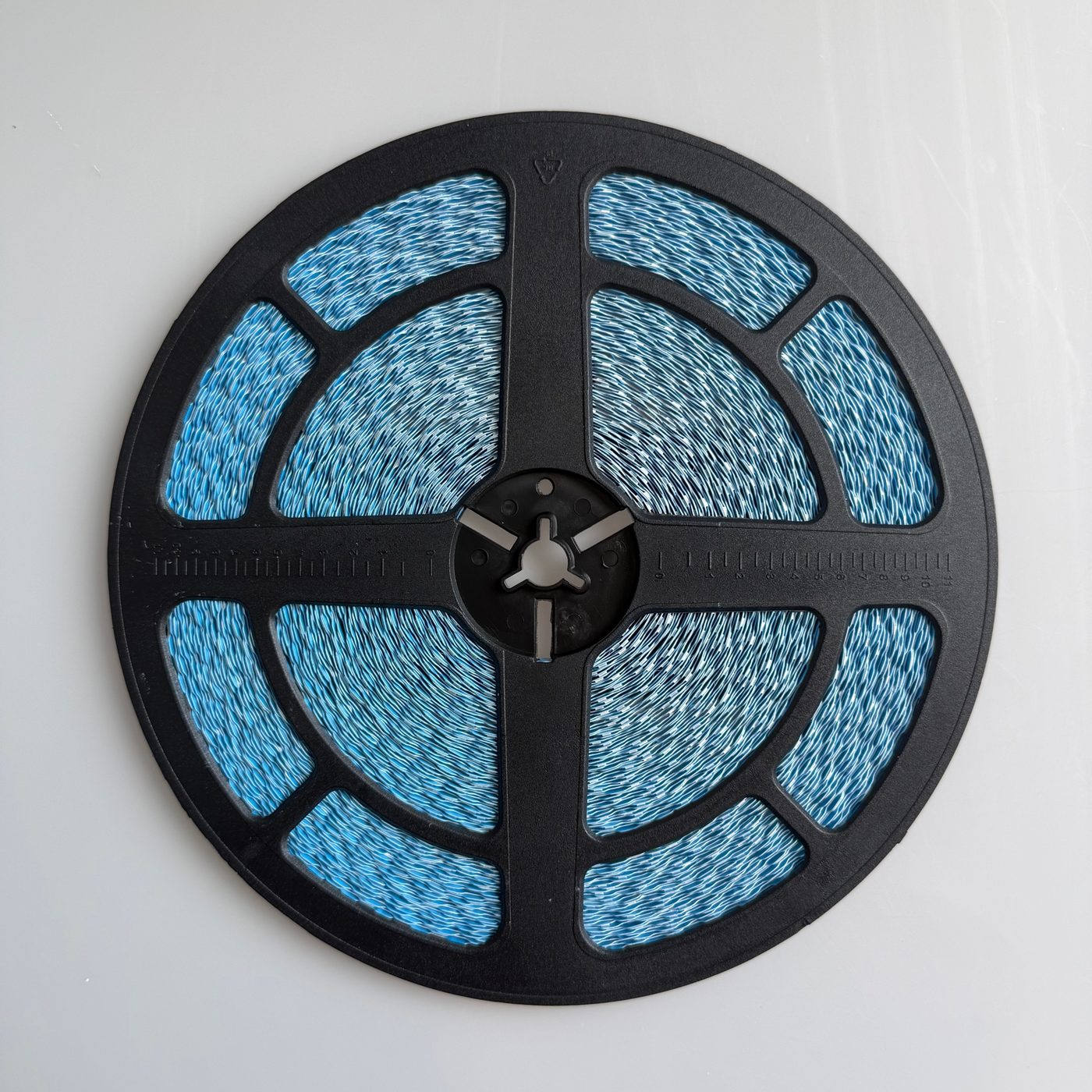
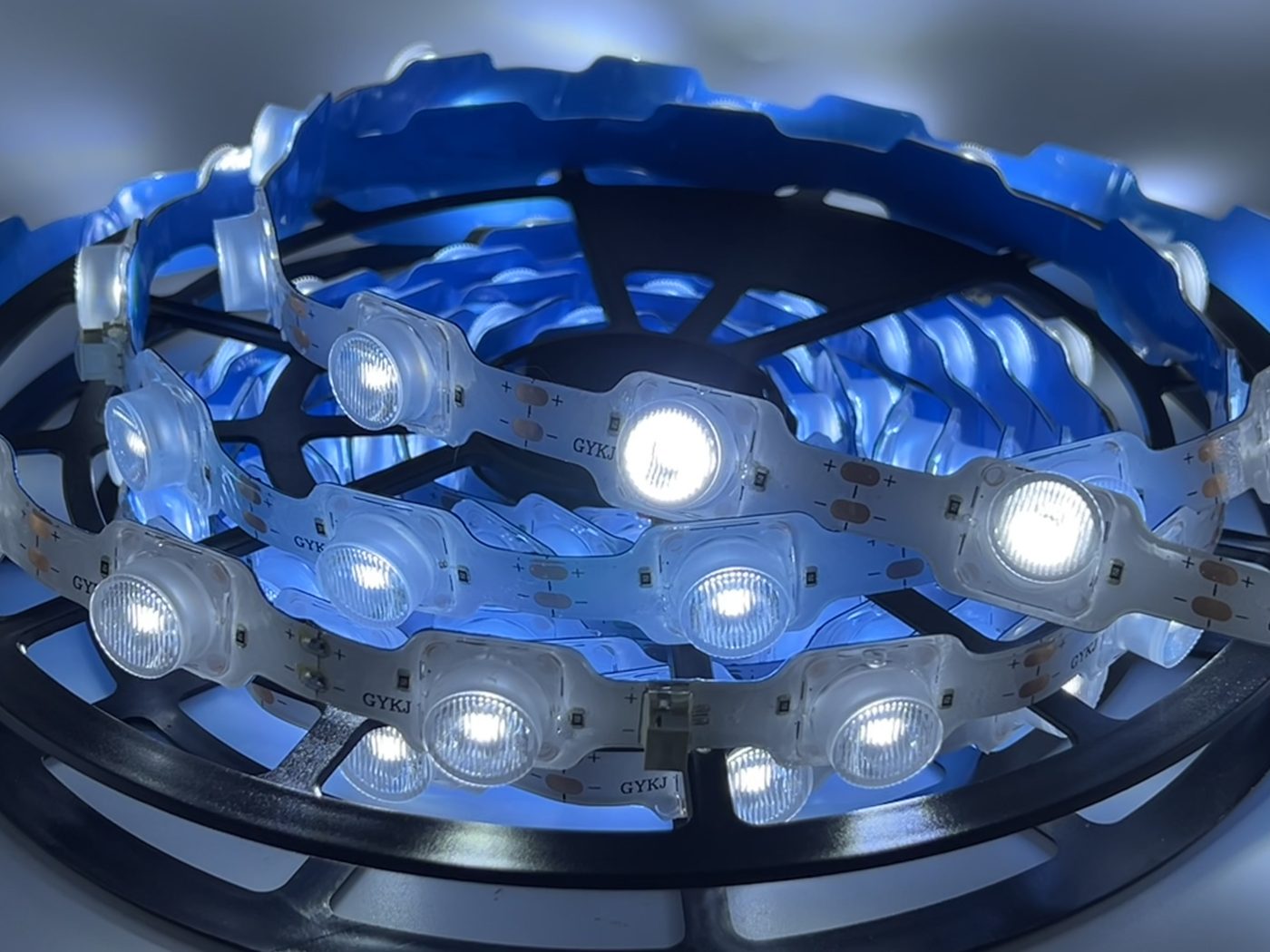
An S-type bendable LED strip uses a zigzag FPC that folds in every direction, so the strip follows loops, curves and 3D letter shapes that a straight strip cannot. HFY LED builds S-type strip at 60 LEDs/m on 12 V (7.2 W/m) with 5050 packages, and Z-shape 3535 WS2815 pixel versions at 90 LEDs/m for illuminated letters.
Scope: what this product page covers
This page covers mechanically bendable S-type and zigzag strips for channel letters, curved coves and 3D fabricated shapes. Straight constant-voltage strip is covered on the SMD page, and addressable Z-shape pixel strip is quoted as a separate part number because the FPC and control electronics differ.
Specifications
| LED type | 5050 (white), 3535 WS2815 (pixel) |
|---|---|
| Density | 60 LEDs/m (white), 90 LEDs/m (pixel) |
| Input voltage | 12 V DC |
| Power | 7.2 W/m (white strip) |
| Bend direction | Folds in every direction on the zigzag FPC |
| Cut unit | 3 LEDs (white), 1 LED (pixel) |
| Sealing | IP20 standard, IP65 nano coating on request |
| FPC width | 10 mm (white), 12 mm (pixel) |
| Lead time | 10–15 working days after sample approval |
Materials
- Zigzag-pattern flexible PCB that folds laterally and longitudinally
- 5050 and 3535 LED packages with lens optics on request
- 3M adhesive backing, IP65 nano coating for damp locations
- Solder-free clip connectors and 22 AWG lead wire
- 12 V waterproof drivers, 60–300 W
Manufacturing process
- FPC zigzag design The zigzag pattern is what allows folding: copper traces are routed diagonally so each fold point keeps full current capacity. Fold radius limits are stated per pitch so the installer knows the minimum curve the strip will follow without cracking a trace.
- Lens alignment Where lens optics are fitted, each lens is seated at the same angle to the board, because a rotated lens shifts the beam and shows as a bright dot on the sign face. Lenses are inspected in-line rather than after sealing.
- Solder and pull test Joints are soldered and pull-tested at 30 N; fold points are flexed 20 cycles before packing to catch cold joints that only fail after installation.
- Pixel configuration WS2815 pixel versions are configured per letter: IC count, pixel order and test pattern are set before shipping so the sign controller addresses each letter correctly on first power-up.
- Packing with fold map Strip is packed coiled with the fold map and connector plan, so the fabricator bends and joins in the tested sequence instead of improvising on the bench.
S-Type Bendable LED Strip in production
Typical applications
- Channel letters and illuminated signage with tight curves
- Neon-style letter shapes where a straight strip cannot follow the bend
- Curved coves and barrel-vault soffits in retail and hospitality
- 3D fabricated logos and stand-off letter lighting
- Round columns and curved joinery details
- Z-shape WS2815 pixel builds for dynamic letter signs
Quality and documentation
- 20-cycle flex test at every fold point before packing
- 30 N pull test on soldered joints
- Lens angle inspection in-line, not after sealing
- Pixel strips shipped pre-configured and pre-tested with the controller protocol
- CE and RoHS documentation per shipment
What we do not do
S-type strip folds, but it does not stretch: a tight inside radius needs the correct pitch, which we state per product rather than letting the installer guess. We do not supply rigid neon or glass neon, and we do not warrant IP67 sealing on a folded installation — folds are the weak point of any sealed strip, and we say so before you design the letter around one.
Technical questions
How tight can I bend S-type strip?
The zigzag FPC folds across its width at every pitch, so a 60 LEDs/m strip turns a 90° corner on roughly a 20 mm radius and wraps a 60 mm diameter loop. The limit is the copper, not the FPC: repeated flexing at the same point is what kills traces, so folds should be set once during installation, not adjusted repeatedly.
Can I use S-type strip inside channel letters?
Yes — that is its main application. The zigzag design follows the letter stroke without cutting and re-joining at every curve, which removes the solder joints that fail in acrylic letters. For white letters, 5050 at 60 LEDs/m covers stroke widths of 30–80 mm; for dynamic colour, the Z-shape WS2815 version at 90 LEDs/m gives one pixel per fold unit.
What is the difference between S-type and zigzag pixel strip?
S-type white strip is a constant-voltage product: the whole strip is one circuit and bends in any direction. Z-shape pixel strip adds a WS2815 IC per cut unit, so each segment is individually addressable — it is used when the sign plays animations rather than holding a static colour.
Adjacent products and capabilities
Silicone Neon Flex
Silicone neon flex is a flexible linear light in a solid silicone profile that diffuses the LED source into an even, continuous line while sealing the electronics to IP67. HFY LED extrudes neon flex in 6×12 mm, 8×16 mm and 10×20 mm profiles on 12 V or 24 V, at 5–12 W/m, in top-bend and side-bend versions, from 2700 K to 6500 K plus RGB and RGBW..
View productRGB & Pixel LED Strip
An addressable pixel strip contains an IC at every LED or every three LEDs, so each pixel can be set to an individual colour and brightness from a controller. HFY LED supplies RGB, RGBW and addressable strips on WS2812B, WS2811 and SPI 12 V and 24 V platforms, from 60 to 144 pixels per metre, with custom pixel mapping, lead frames and IP67 sealing for outdoor media facades..
View productLightbox & Side-Emitting Strip
A lightbox LED strip is a side-emitting or zigzag-arranged strip that throws light sideways into the acrylic face of a sign, producing even brightness without the hot spots of a direct-view strip. HFY LED supplies side-view 3014 and 335 strips and zigzag backlight strips at 0.6–1.5 W per module on 12 V or 24 V, sized to box depths from 60 mm to 300 mm, with IP65 sealing for outdoor signs..
View productQuality & Testing
100% reel electrical test, 24-hour burn-in and SDCM ≤ 3 binning on every order.
Testing capabilitySend a specification, get a quotation in 24 hours
Tell us the product type, run length, wattage, CCT, CRI and IP rating. You will receive a fixed price, a lead time, and the feed and driver arrangement in writing — no obligation, and no sales call unless you ask for one.